
Addressing Build-Up In Your Molds
Updated On: 3/24/2026
There are many potential contributors to in-mold build up. But the impacts that build up can have on your part and your workflow can be significant. Things like sticking, gloss issues, and visual defects are not a positive for molders in today’s competitive marketplace.
Key Takeaways: Addressing Mold Build-Up
- Buildup often reveals itself through early process changes long before visual defects appear.
- Monitoring fill balance, pressure trends, and release behavior helps identify developing issues sooner.
- Additives, venting limitations, and processing temperatures all influence how quickly buildup forms.
- Proactive detection reduces cleaning frequency, protects cavity surfaces, and supports more stable production.
In a recent article on the Plastics Technology site, Randy Kerkstra addresses mold build up, both from prevention and a clean up perspective.
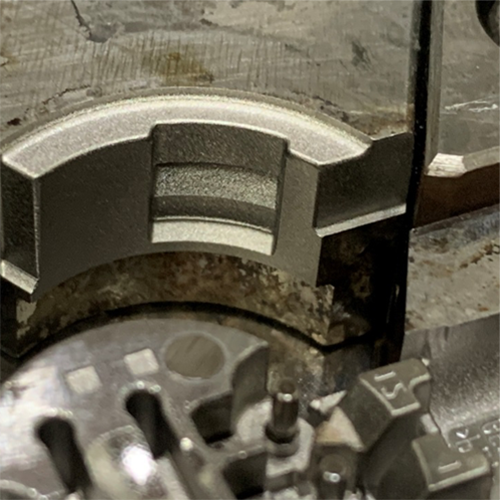 He addresses issues including the effect that lower grade materials can have on the mold. He also addresses venting issues, glass filled materials and outgassing due to processing.
This article really provides some great insights into the challenges of mold build-up.
Operational Signals That Indicate Mold Build-up Is Developing
While buildup often becomes obvious once gloss shifts or sticking begins, there are earlier indicators that can help molders intervene before defects appear. These subtle cues show up in the process long before the cavity surface visibly changes, and recognizing them can significantly reduce unplanned cleaning or in‑press downtime.
Here are several early‑stage warning signs worth monitoring:
- Shifts in Fill Balance: When one cavity or section begins filling slower than usual, it may indicate gas restriction or residue forming in end‑of‑fill areas.
- Unexpected Pressure Increases: A gradual rise in injection or pack pressure can signal that vents or fine details are beginning to trap gas or accumulate deposits.
- Changes in Part Release Behavior: Even slight hesitation during ejection can point to surface contamination or early plateout.
- Localized Temperature Variations: Hot spots or inconsistent cooling patterns often correlate with areas where buildup is forming, especially with additives or higher‑temperature materials.
- More Frequent Need for Process Tweaks: If operators find themselves adjusting speed, temperature, or backpressure more often, the mold may be compensating for developing residue.
By treating these subtle changes as diagnostic clues rather than normal variation, molders can schedule targeted cleaning, evaluate venting, or adjust processing conditions before buildup escalates into scrap or tool wear.
You can read the full article here:
http://www.ptonline.com/columns/tooling-what-you-can-do-about-mold-buildup
The Nanoplas family of products includes our Nano Mold Coating that can help with sticking parts and mold build-up challenges, but we also have truly innovative mold maintenance products that can help with the prevention and the cleanup. Contact us today to learn more.