
Manufacturers who rely on molding processes are constantly evaluating ways to improve part consistency, reduce downtime, and control long‑term operating costs. Two common approaches; traditional mold release agents and semi‑permanent release coatings, offer very different performance profiles. Understanding how each affects labor, maintenance, and throughput can help teams make a more informed decision about which option delivers better value over time.
How Traditional Mold Release Agents Work
Conventional mold release agents are applied directly to the mold surface at regular intervals. They create a temporary barrier that prevents sticking and helps parts release cleanly. These products are widely used because they are familiar, easy to apply, and effective for short runs or molds that require frequent changeovers.
How Semi-Permanent Release Coatings Work
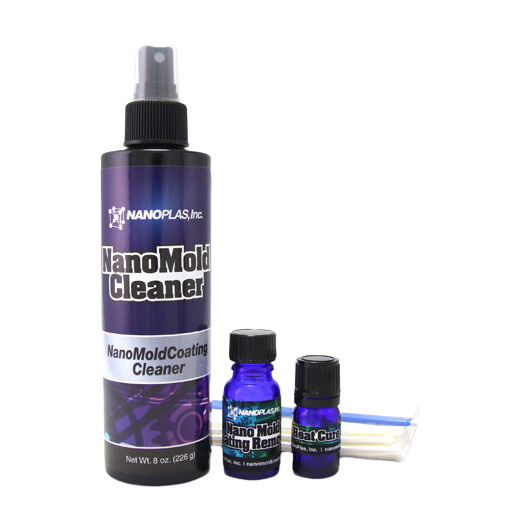 Semi‑permanent coatings bond to the mold surface and maintain their release properties across many cycles. Instead of applying product every few shots, operators typically apply a coating once per shift, or even less frequently, depending on the mold and material.
Key advantages include:
- Longer intervals between applications
- More consistent release performance
- Reduced buildup on the mold surface
- Lower labor requirements for reapplication
- Improved part appearance and uniformity
These benefits often translate into measurable savings, especially in high‑volume environments.
Cost Analysis: Where the Real Savings Come From
While semi‑permanent coatings may have a higher upfront cost per gallon, the total cost picture is shaped by several operational factors.
1. Labor and Downtime
Traditional agents require frequent stops for reapplication. Even short interruptions accumulate across multiple molds and shifts. Semi‑permanent coatings reduce these pauses, freeing operators to focus on higher‑value tasks.
2. Scrap and Rework
Inconsistent release can lead to surface defects, sticking, or incomplete fills. Semi‑permanent coatings maintain a more stable release surface, helping reduce scrap and improving part uniformity.
3. Mold Cleaning and Maintenance
Traditional agents can leave residue that requires more aggressive cleaning. Semi‑permanent coatings reduce buildup, extending the time between cleanings and lowering maintenance effort.
4. Throughput and Cycle Efficiency
Fewer interruptions and more predictable release behavior support smoother production flow. Even small gains in cycle efficiency can have a meaningful impact on annual output.
When Mold Release Agents Are Still the Right Choice
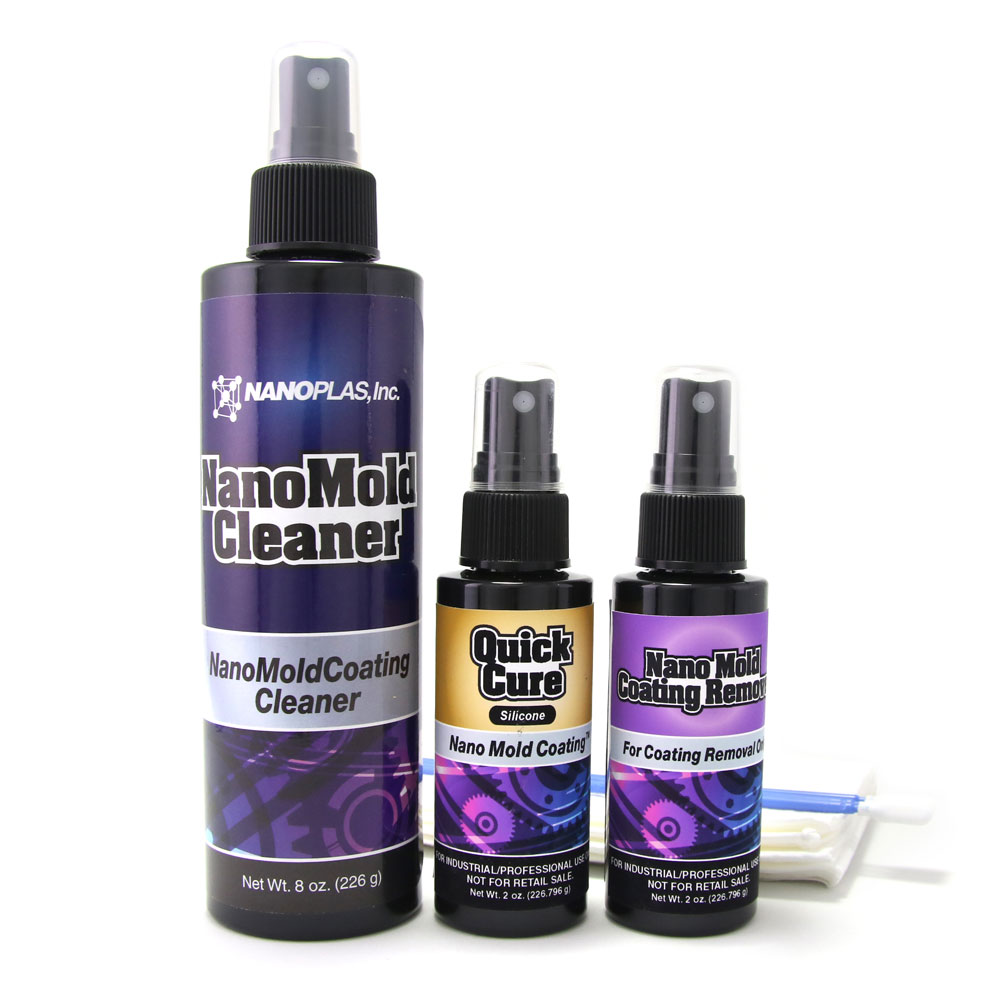 Traditional agents remain a strong option for:
- short production runs
- Frequent mold changes
- Highly textured molds
- Prototype or low‑volume environments
Their flexibility and ease of use make them a practical choice when production conditions change frequently.
When Semi-Permanent Coatings Deliver Better Long-Term Value
Semi‑permanent coatings are well‑suited for:
- High‑volume molding
- Automated production lines
- Applications requiring consistent surface finish
- Operations focused on reducing downtime and labor
For teams looking to improve long‑term cost efficiency, semi‑permanent coatings often provide the strongest return.
Choosing the Best Option for Your Operation
The right solution depends on your production goals, mold design, cycle time, and maintenance strategy. Many manufacturers use a blended approach; semi‑permanent coatings for high‑volume molds and traditional agents for short‑run or specialty tools.
To explore your options, you can review our full line of release coatings, mold release agents, and more. If you’re ready for a deeper evaluation, contact our team to help you compare costs, cycle efficiency, and long‑term performance.