
High‑cycle injection molding environments live and die by uptime. When molds are cycling thousands of times per shift, even small inefficiencies compound into lost production, higher scrap rates, and unplanned maintenance. One of the most overlooked contributors to these problems is lubrication, specifically, whether the grease being used can withstand the heat, pressure, and speed of modern molding operations.
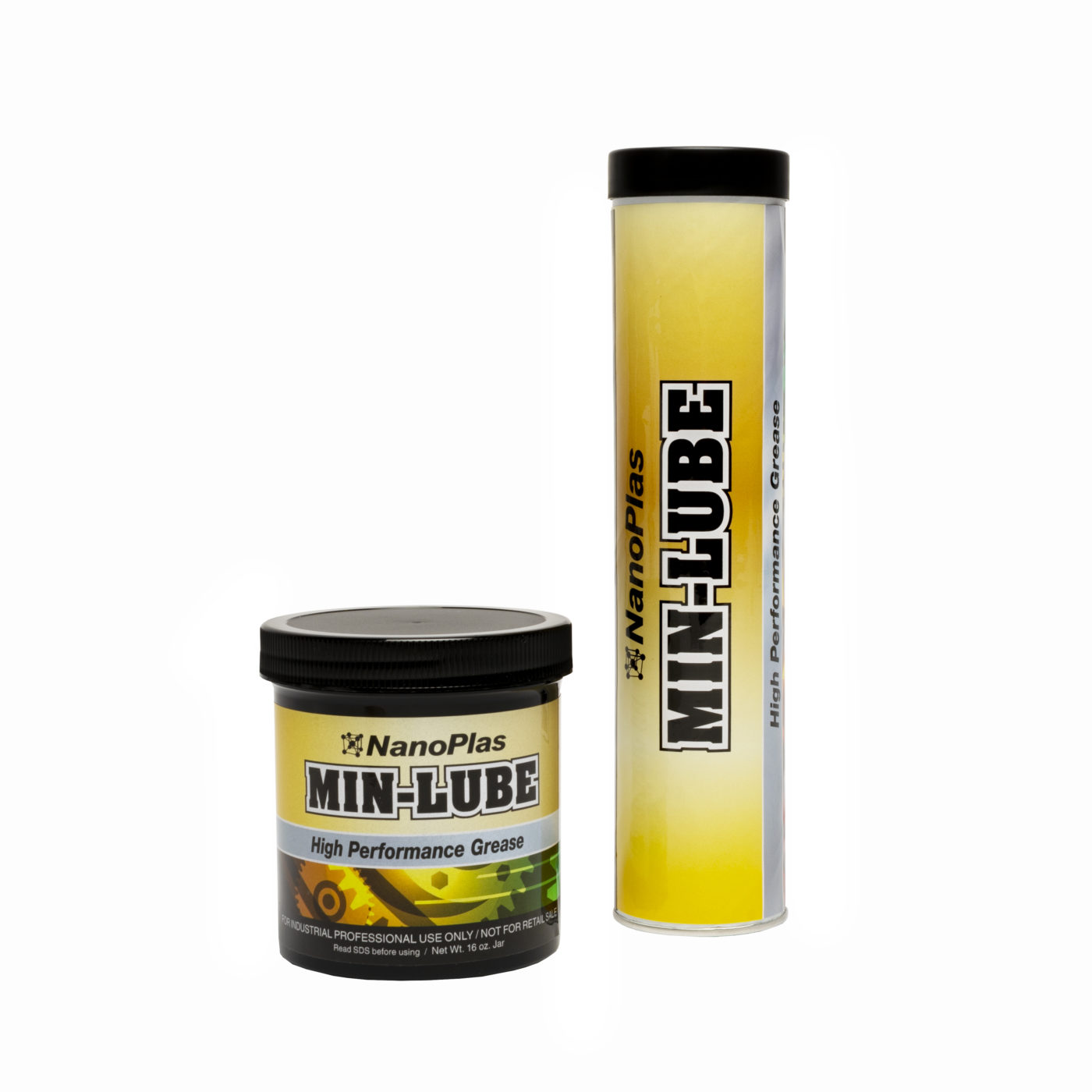
Min‑Lube was developed to solve exactly that challenge. As a high temp grease engineered for demanding injection mold maintenance, it helps molders extend tool life, reduce cleaning frequency, and keep production running longer between PM intervals. The result is simple: more good parts, fewer stoppages, and lower total maintenance cost.
Why Lubrication Matters in High‑Cycle Molding
 Every mold relies on smooth, consistent movement across slides, lifters, pins, and other wear points. In high‑cycle environments, these components experience:
- Elevated temperatures
- Continuous friction
- Rapid cycling
- Exposure to resins, gases, and contaminants
When standard greases break down under heat or shear, they carbonize, migrate, or wash out, leading to sticking, galling, premature wear, and unplanned downtime. This forces maintenance teams into reactive mode, pulling molds for cleaning far more often than necessary.
Min‑Lube is designed to prevent exactly that.
How Min‑Lube Improves Productivity
1. Longer Runs Between PM Cycles
Min‑Lube’s high‑temperature stability allows it to stay in place and maintain lubricity even under continuous cycling. Instead of burning off or turning into abrasive residue, it maintains a clean film that keeps components moving freely.
Impact:
- Fewer mold pulls
- Less cleaning time
- More uninterrupted production hours
2. Reduced Wear on Moving Components
Slides, pins, and lifters are expensive to repair or replace. Min‑Lube’s formulation minimizes metal‑to‑metal contact and reduces friction, helping extend the life of critical tooling.
Impact:
- Lower tooling replacement costs
- More consistent part quality
- Longer mold life overall
3. Cleaner Operation With Less Build‑Up
Traditional greases often carbonize at high temperatures, creating residue that leads to sticking and flash. Min‑Lube resists breakdown, helping maintain cleaner molds and reducing the risk of part defects.
Impact:
- Lower scrap rates
- Fewer quality interruptions
- More predictable cycle‑to‑cycle performance
Why Min‑Lube Outperforms Standard Greases
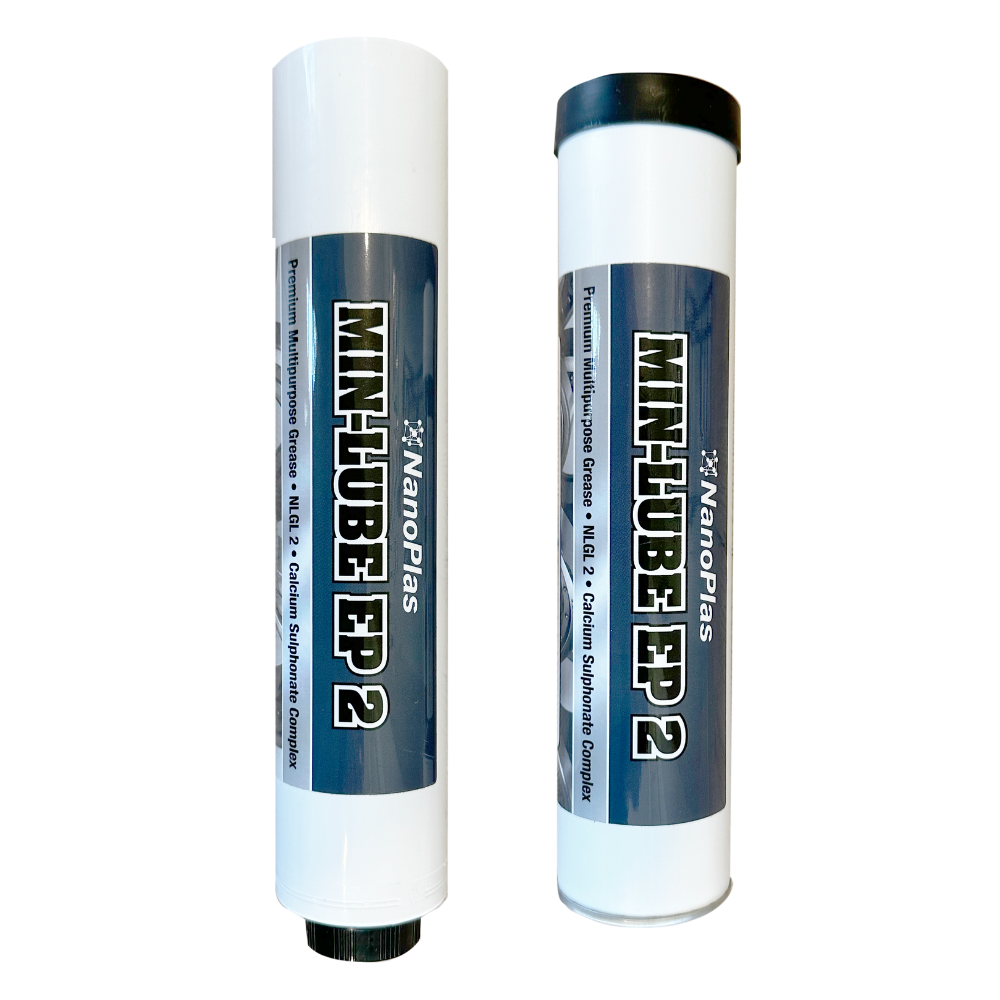
Min‑Lube is engineered specifically for injection mold maintenance, not general industrial lubrication. Key advantages include:
- High‑temperature resistance for continuous molding environments
- Low migration to keep grease where it’s needed
- Stable film strength under high pressure and rapid cycling
- Compatibility with common mold steels and coatings
- Cleaner running to reduce residue and contamination
For molders running 24/7 or managing high‑volume programs, these differences translate directly into measurable savings.
Real Cost Savings for High‑Cycle Molders
Switching to Min‑Lube helps reduce:
- Unplanned downtime
- Mold cleaning frequency
- Tooling repair and replacement
- Scrap and quality issues
- Labor hours spent on maintenance
When maintenance teams spend less time reacting to lubrication‑related failures, they can focus on proactive improvements that drive throughput and profitability.
Ready to Reduce Downtime and Improve Mold Performance?
If your molds are sticking, wearing prematurely, or requiring frequent cleaning, lubrication may be the root cause. Min‑Lube gives high‑cycle molders a reliable, high‑temp grease that keeps tools running longer and more consistently, without the headaches caused by standard lubricants.
Want to see how Min‑Lube performs in your operation?
Let’s talk about your maintenance challenges and run conditions. A short evaluation can reveal exactly where Min‑Lube can reduce downtime and improve tool life. See how Min-Lube performs under pressure here.